
Feeding tables and troughs
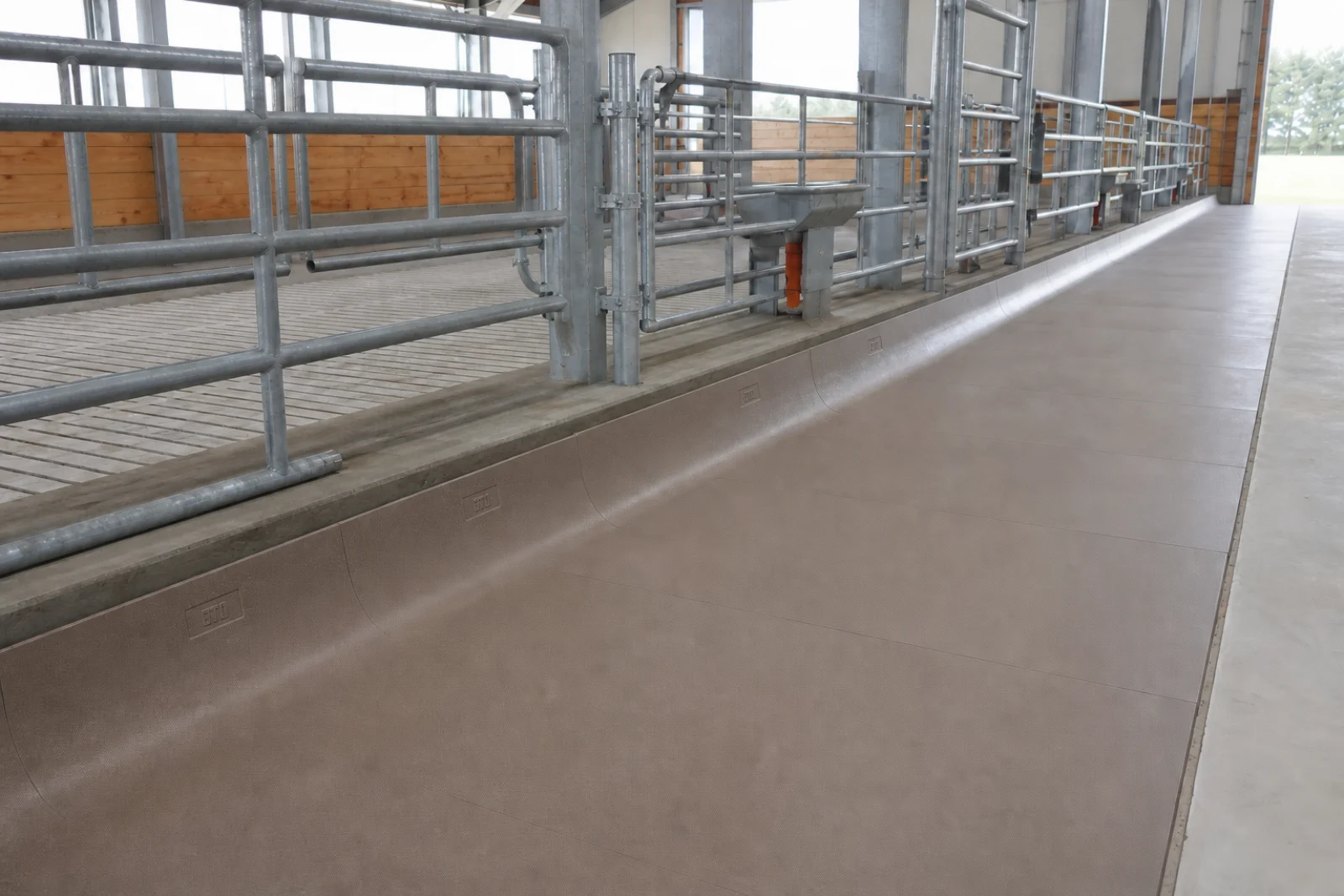
Compare model dimensions
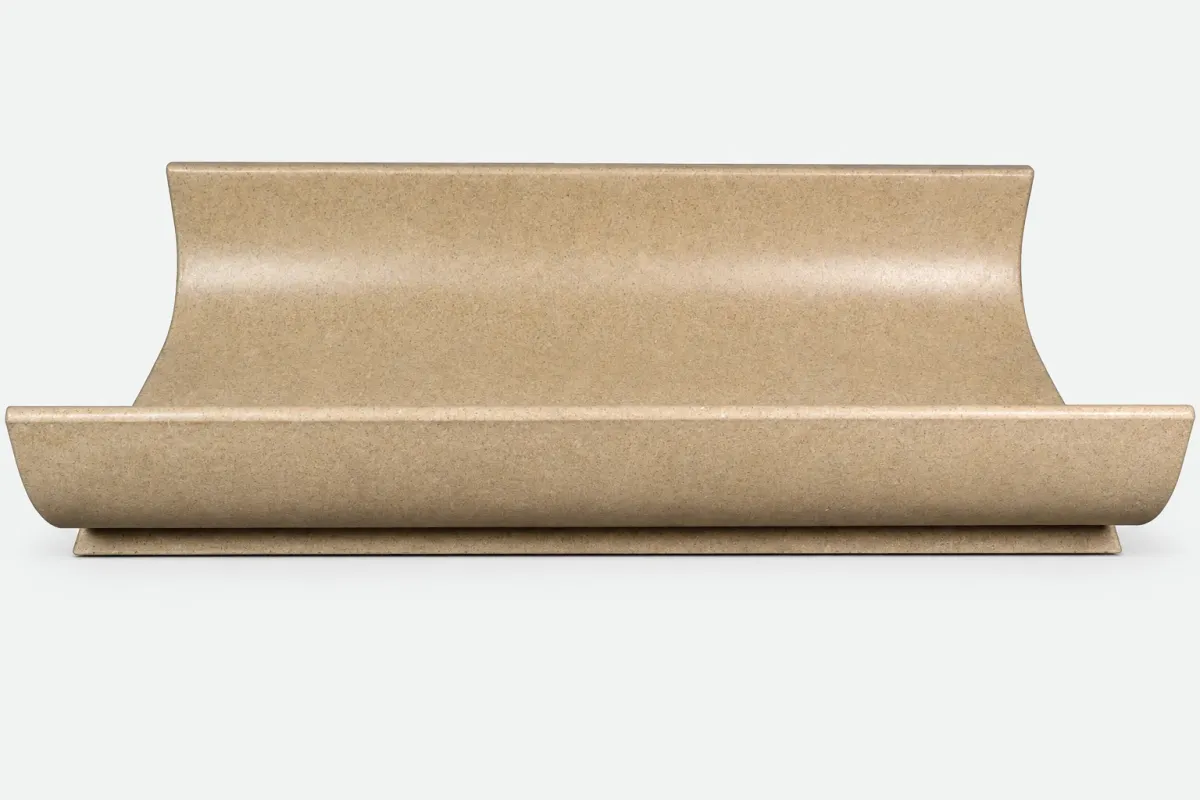
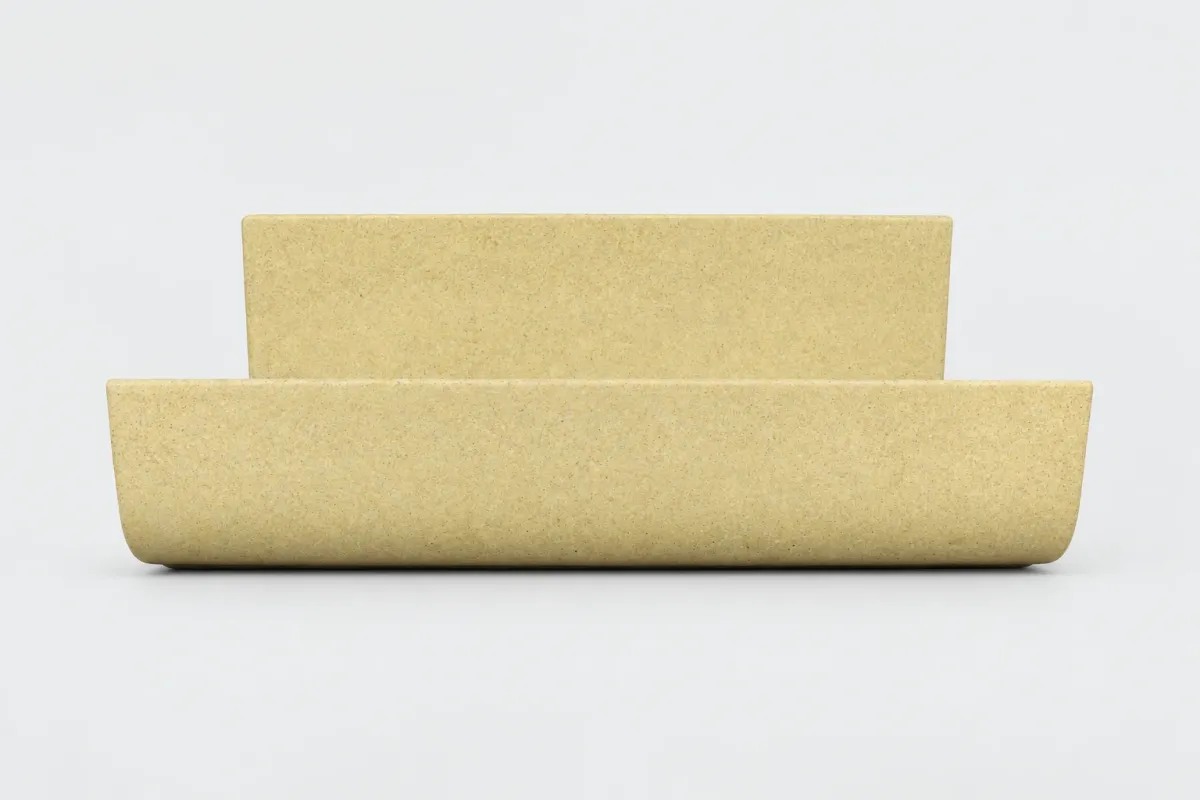
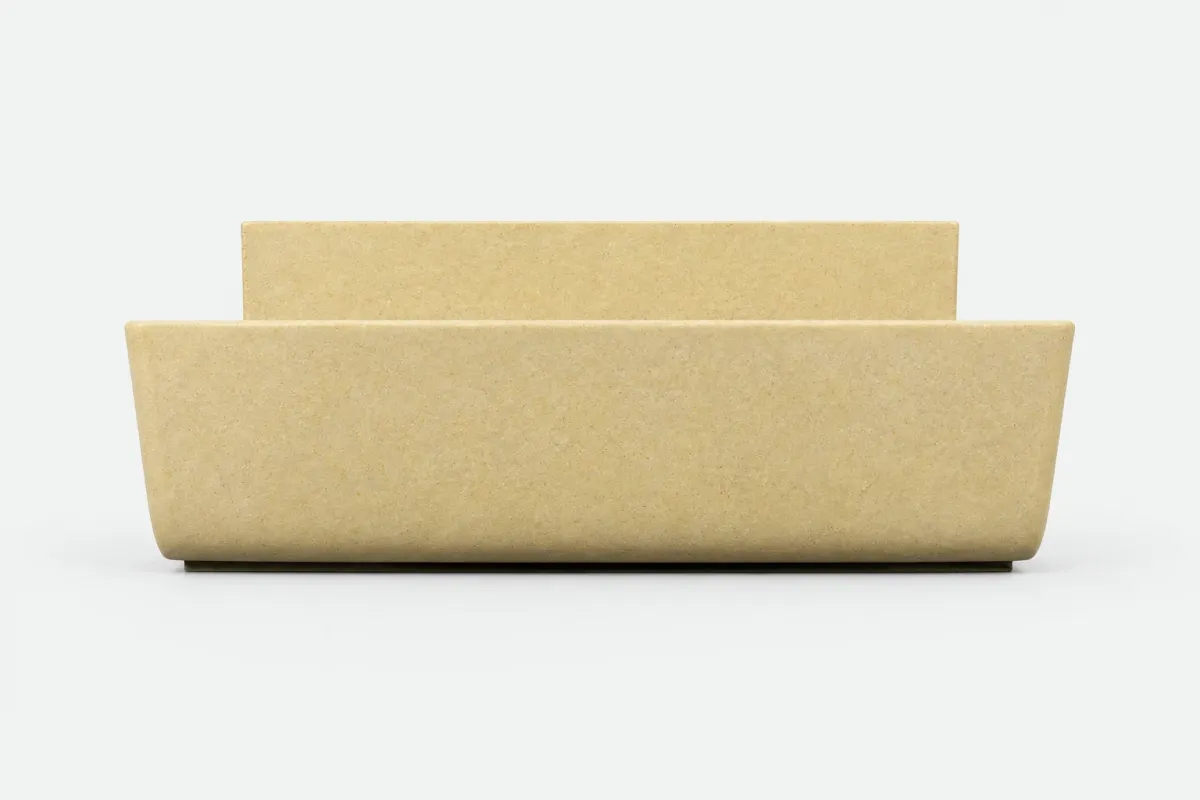
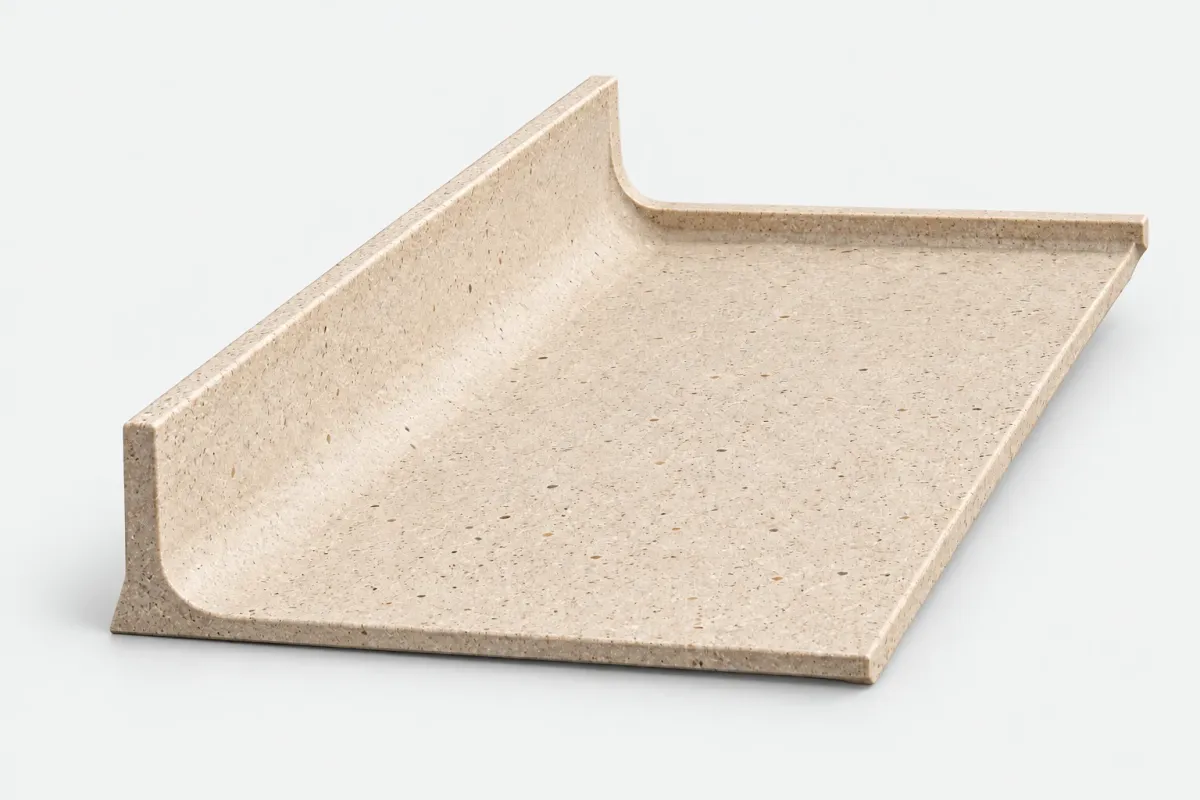
15 modelsDimensions in centimetres, according to the approved drawings. Select a model to view its page, photos and application information. A dash means that the value is not given, not zero. On a narrow screen, scroll the table sideways to see the remaining specifications.
| Model | Profile | Length | Width | Height | Lower wall | Documentation |
|---|---|---|---|---|---|---|
| KSB-M | Feeding table with raised edge | 100 cm | 60 / 70 / 80 / 90 / 100 cm | 27 cm | — | Drawing |
| KSB 47 | Feeding table with raised edge | 100 cm | 47 cm | 17 cm | 7 cm | Drawing |
| KSB 60 | Feeding table with raised edge | 100 cm | 60 cm | 17 cm | — | Drawing |
| KSB 67 | Feeding table with raised edge | 100 cm | 67 cm | 17 cm | 9 cm | Drawing |
| KSB 70 | Feeding table with raised edge | 100 cm | 70 cm | 27 cm | — | Drawing |
| KSB 80 | Feeding table with raised edge | 100 cm | 80 cm | 22 cm | — | Drawing |
| KSB 85 | Angled profile | 100 cm | 85 cm | 8 cm | — | Drawing |
| KSB 90 | Feeding table with raised edge | 100 cm | 90 cm | 27 cm | — | Drawing |
| KSB 100 | Feeding table with raised edge | 100 cm | 100 cm | 27 cm | — | Drawing |
| S 50 | Rounded trough | 100 cm | 50 cm | 20 cm | — | Drawing |
| SR 50 | Rounded trough | 100 cm | 51 cm | 33 cm | 21 cm | Drawing |
| ST 35 | Rounded trough | 100 cm | 35 cm | 17 cm | — | Drawing |
| ST 50 | Profiled trough | 50 cm | 35 cm | 22 cm | 17 cm | Drawing |
| SW 50 | Rounded trough | 100 cm | 51 cm | 33 cm | — | Drawing |
| V 50 / V 80 | Extension slab | 100 cm | 50 / 80 cm | — | — | Drawing |
Catalogue models
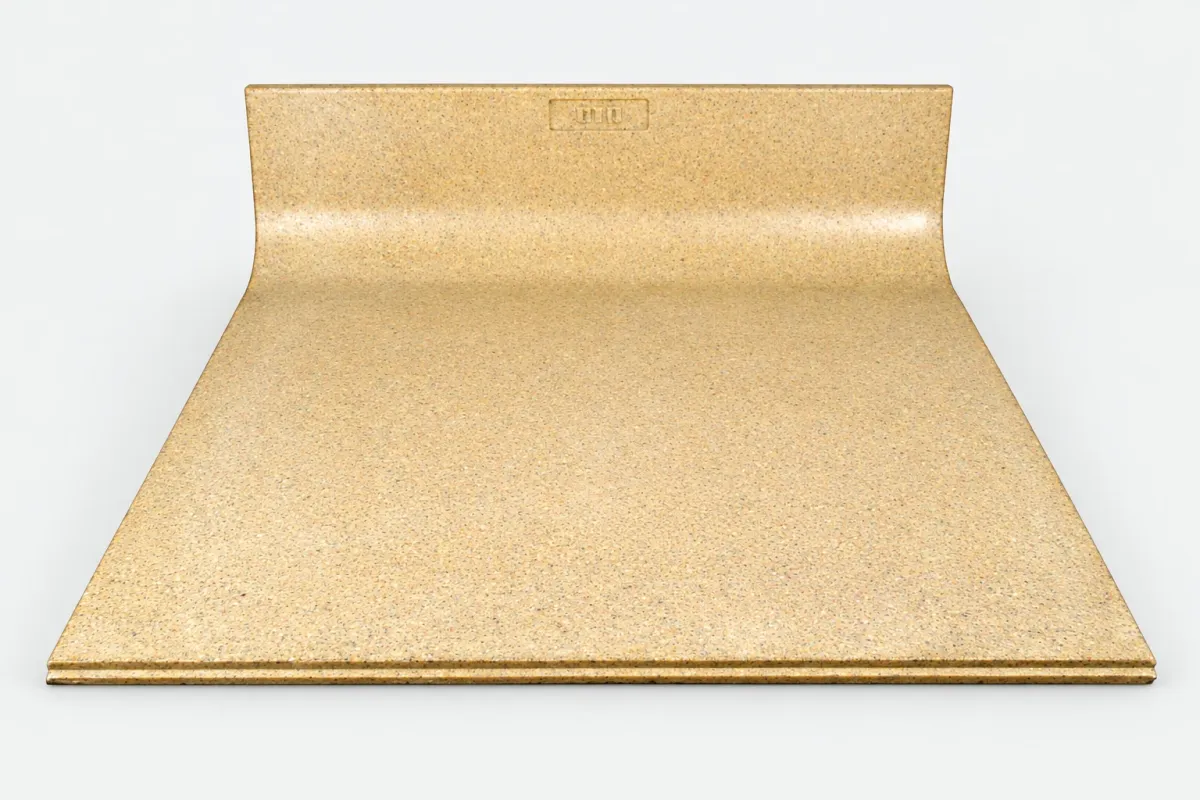
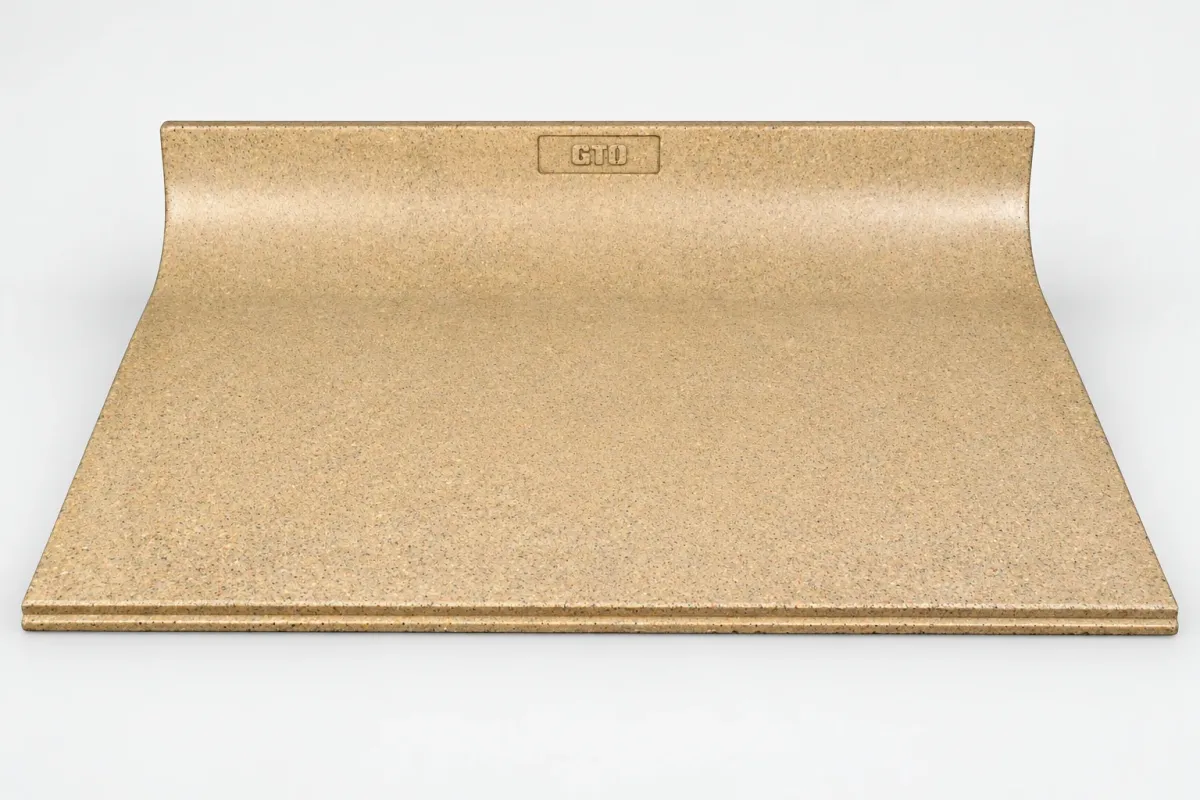
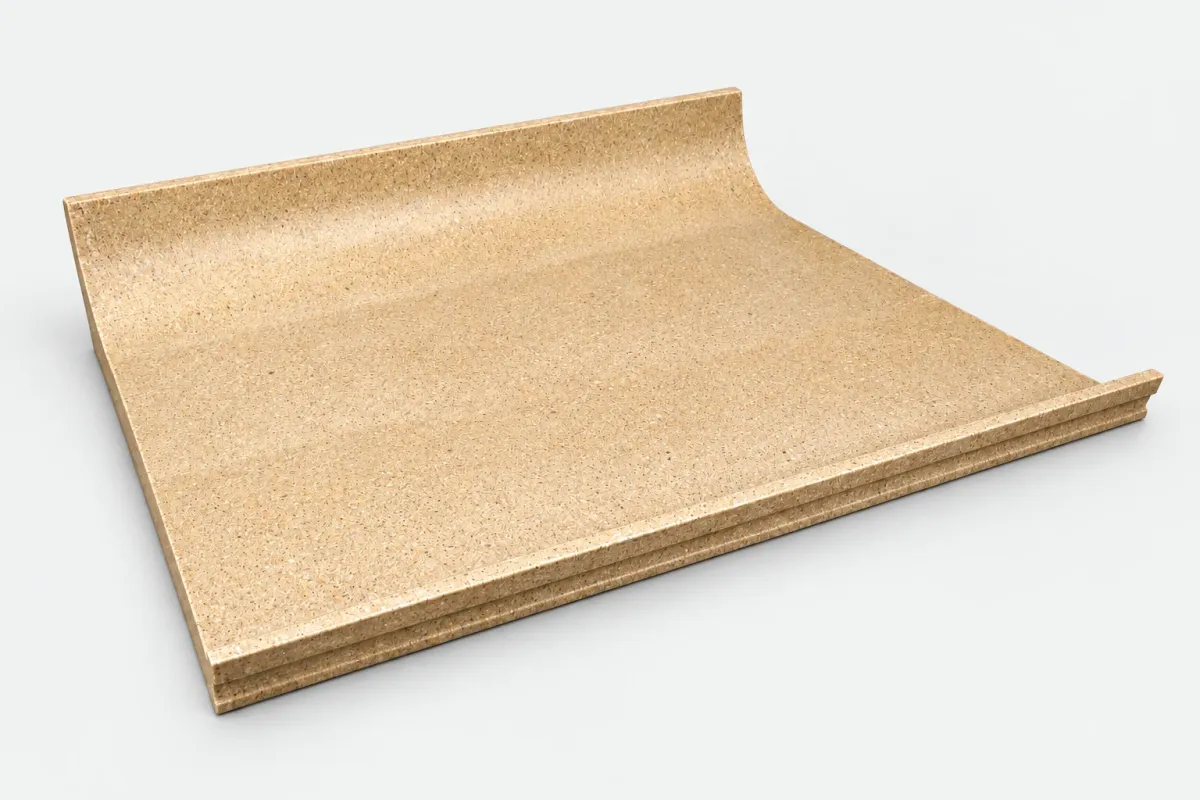
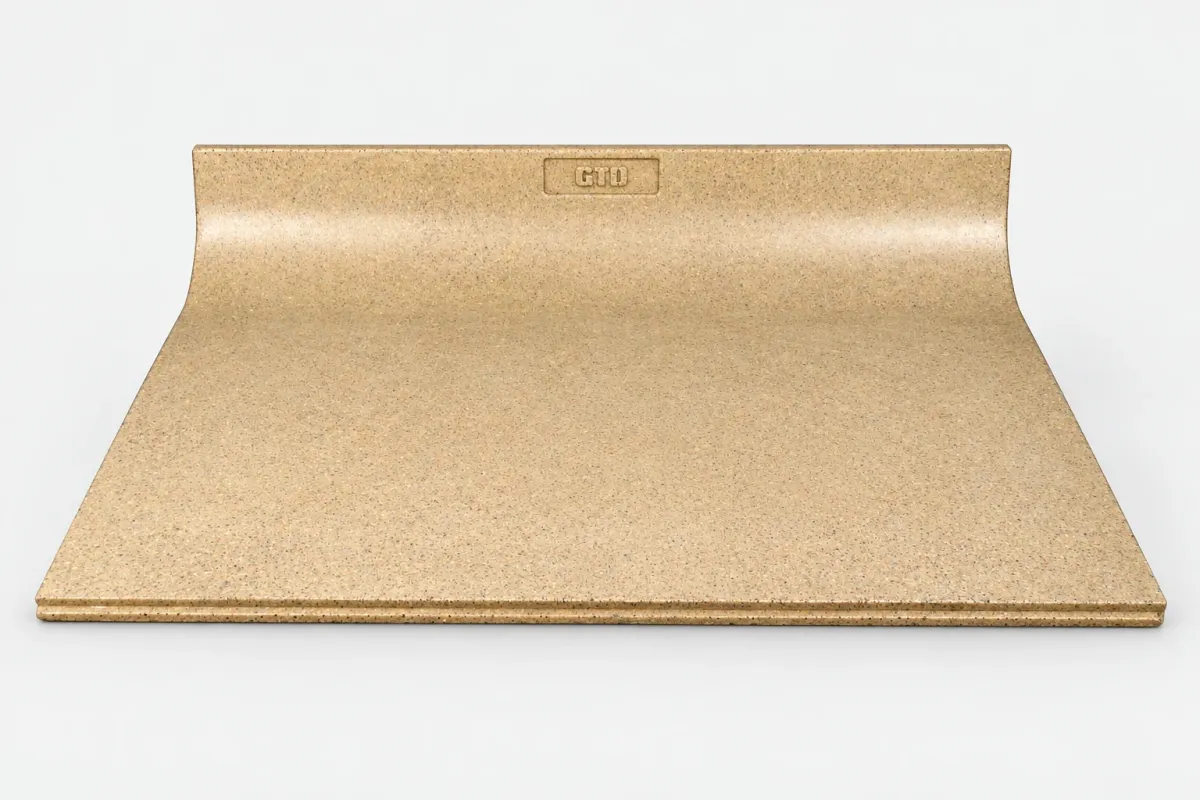
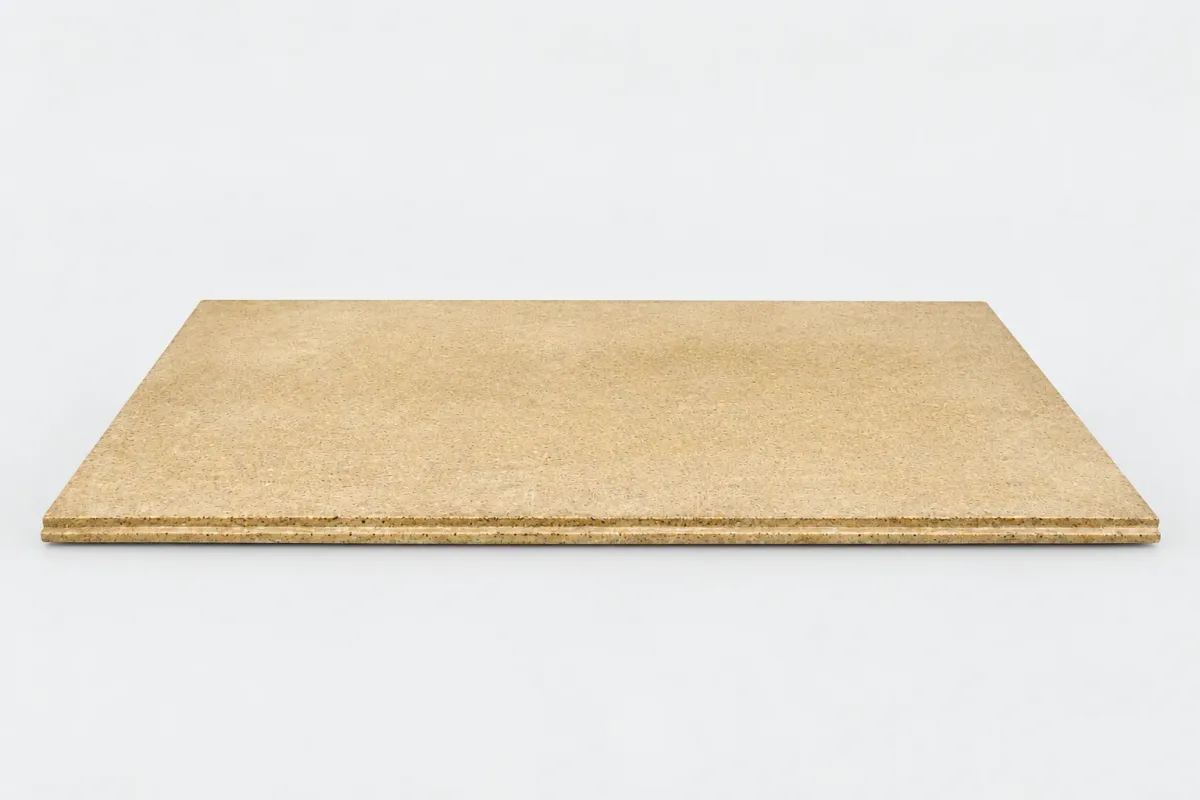
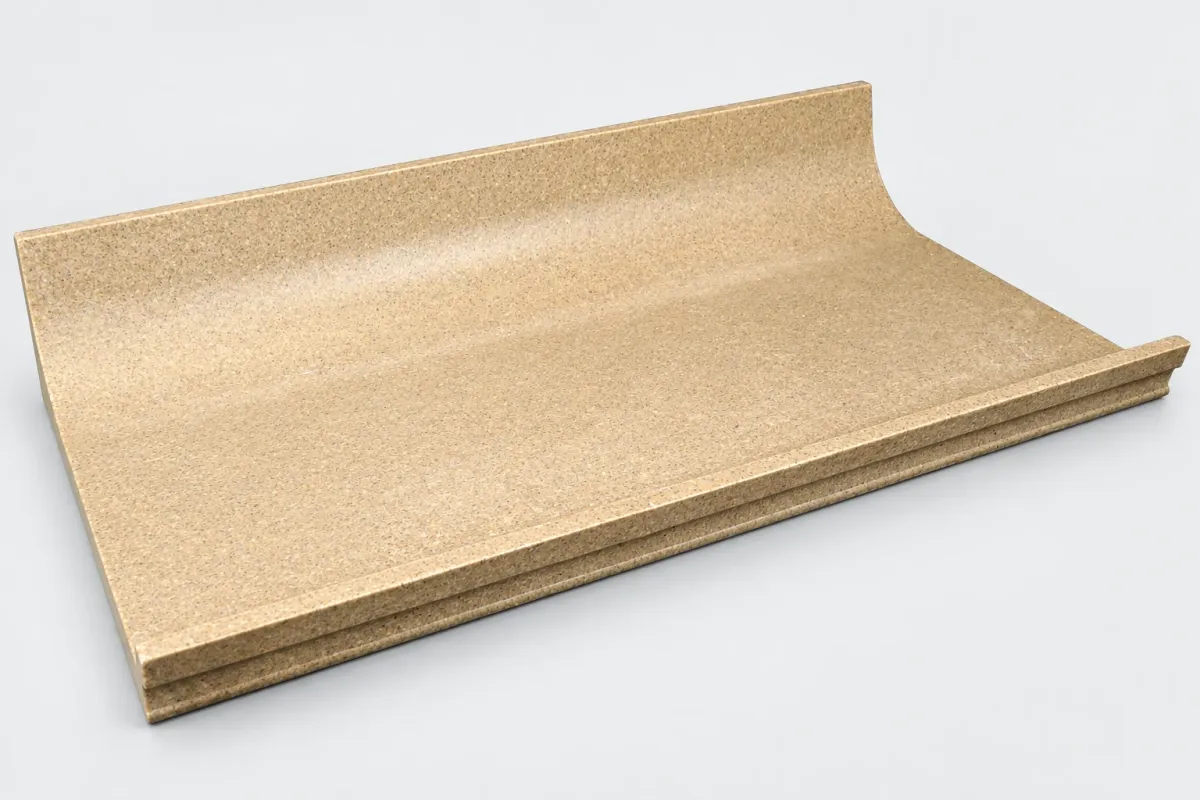
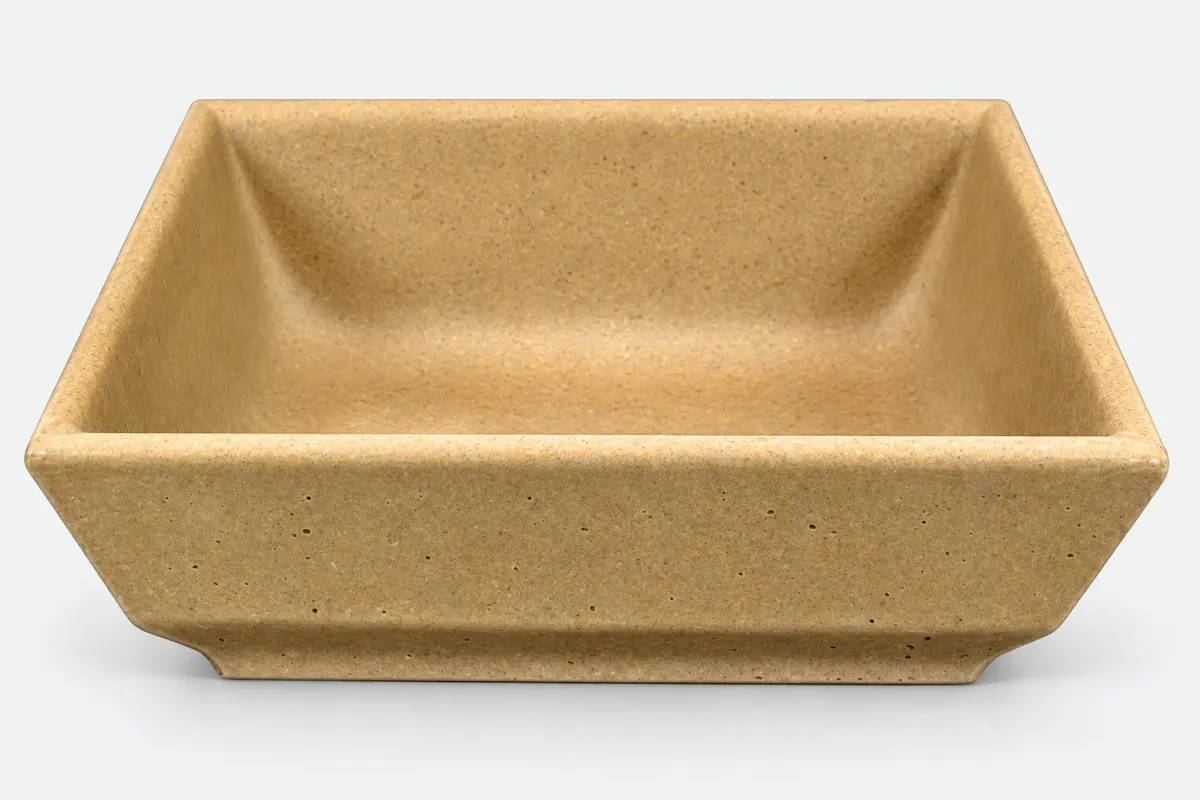
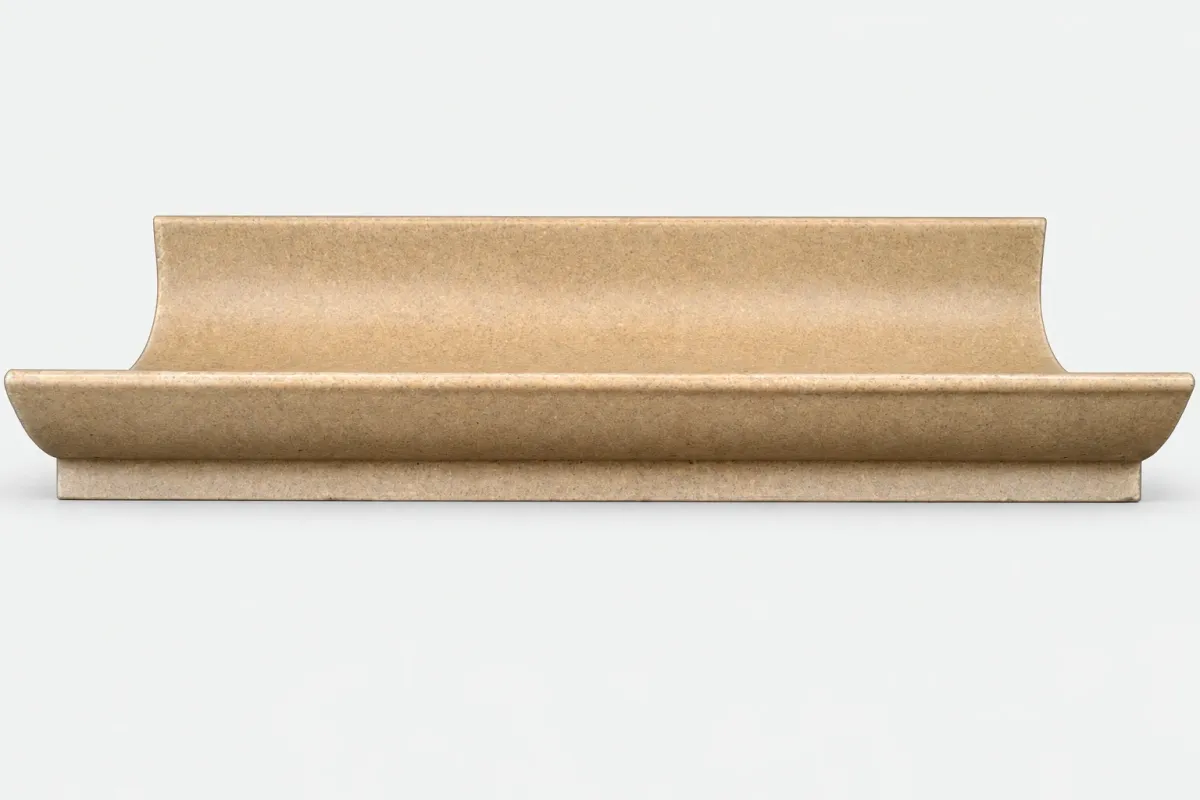
Additional information
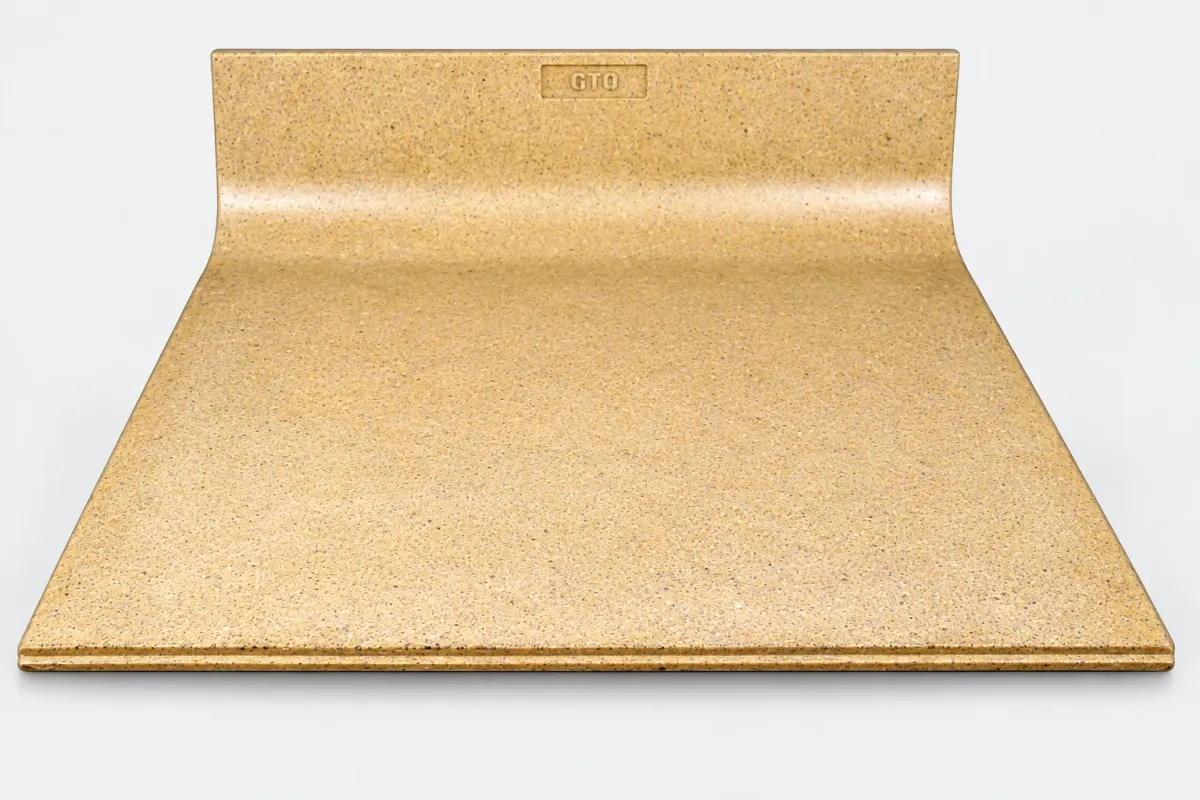
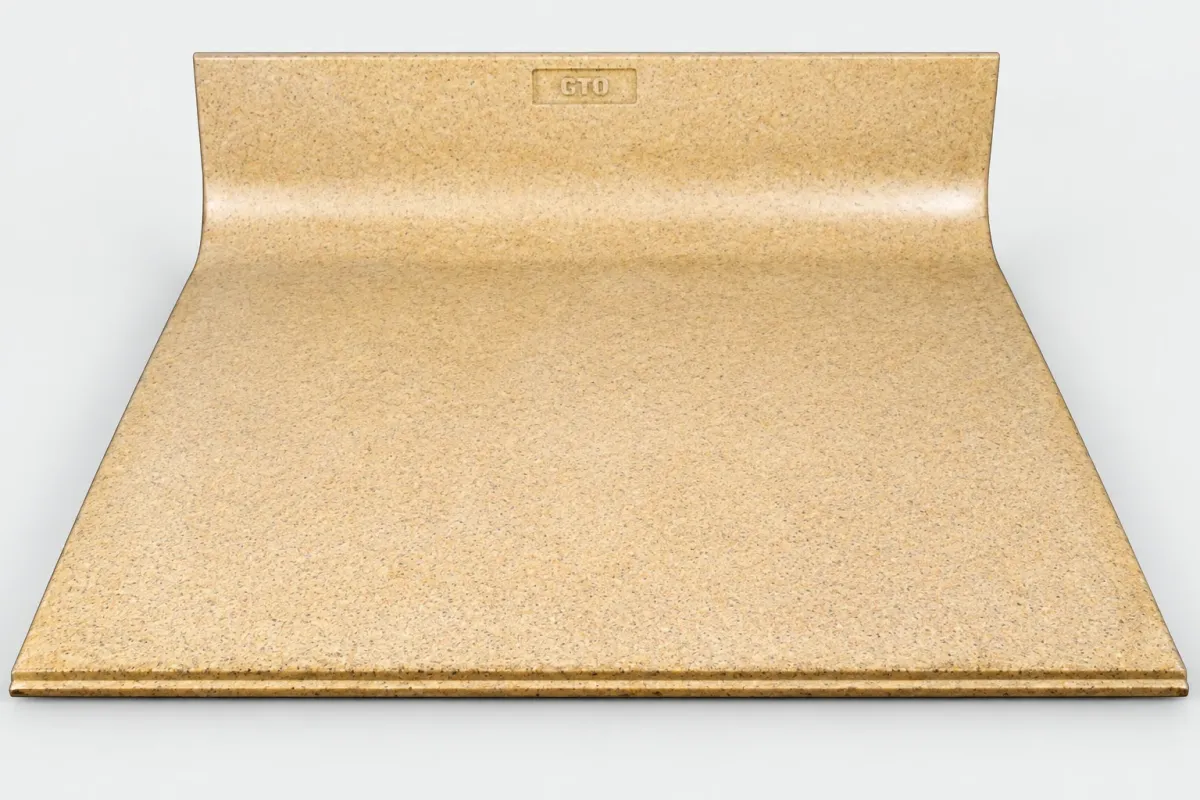
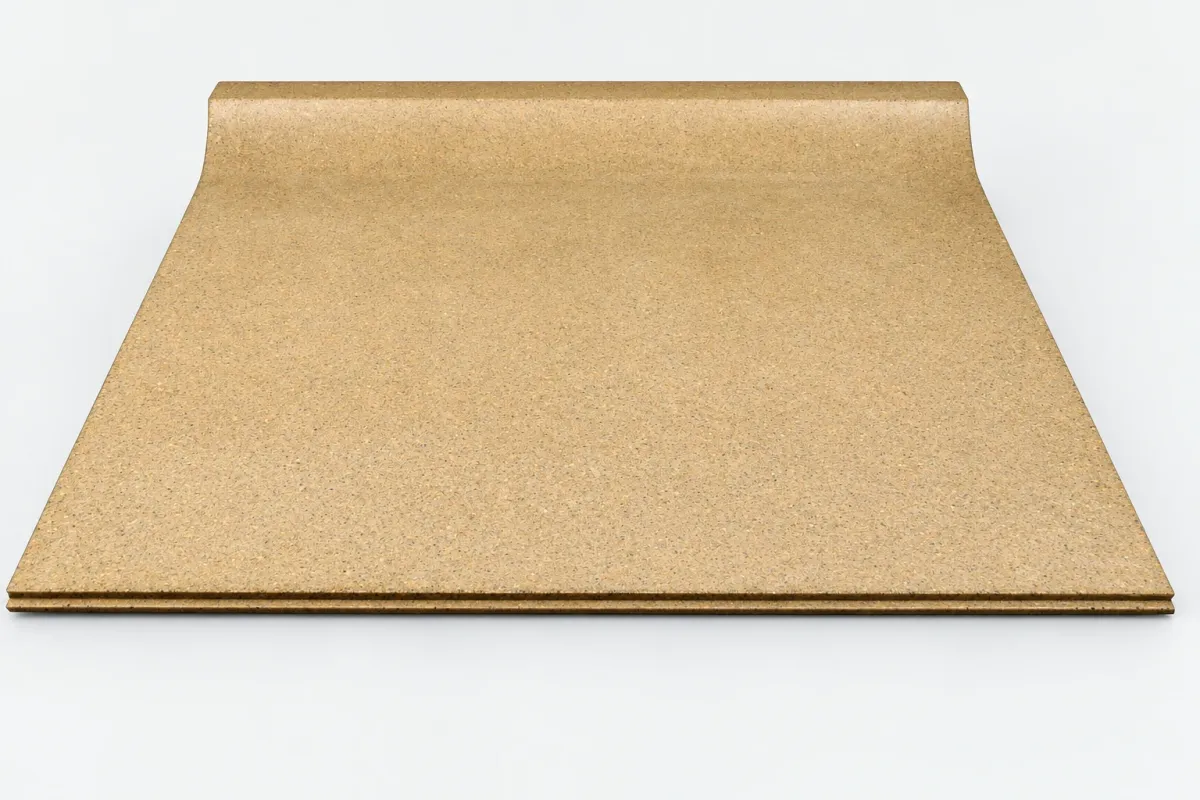
Compare the model dimensions and profiles with the technical drawings. An illustrative 3D model does not replace the drawing or installation documentation. For a continuous feeding area, specify the planned length, model and connection details in your enquiry.
Frequently asked questions
What is polymer concrete?
Polymer concrete is a composite of mineral aggregates bonded with resin throughout the material. It differs from cement concrete and from a thin resin coating applied to concrete.
Why is it used for feeding surfaces?
Its surface and material properties can support cleaning and resistance to the conditions around feed. Actual resistance depends on the product formulation and exposure; consult product documentation rather than assuming resistance to every chemical.
What determines the installation?
The model profile, approved drawing, substrate and connection details determine the installation. Illustrative 3D models do not replace the technical drawing.